

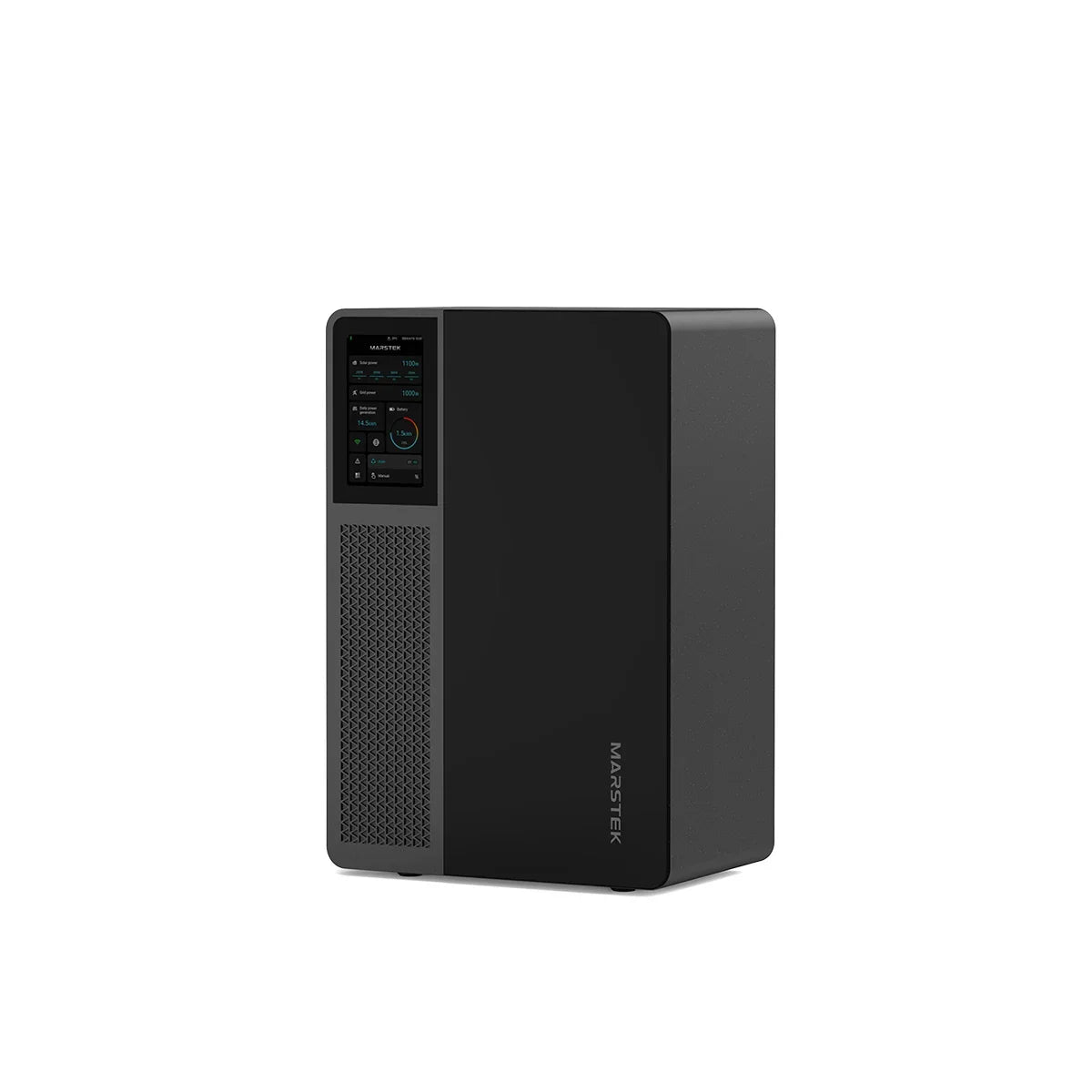

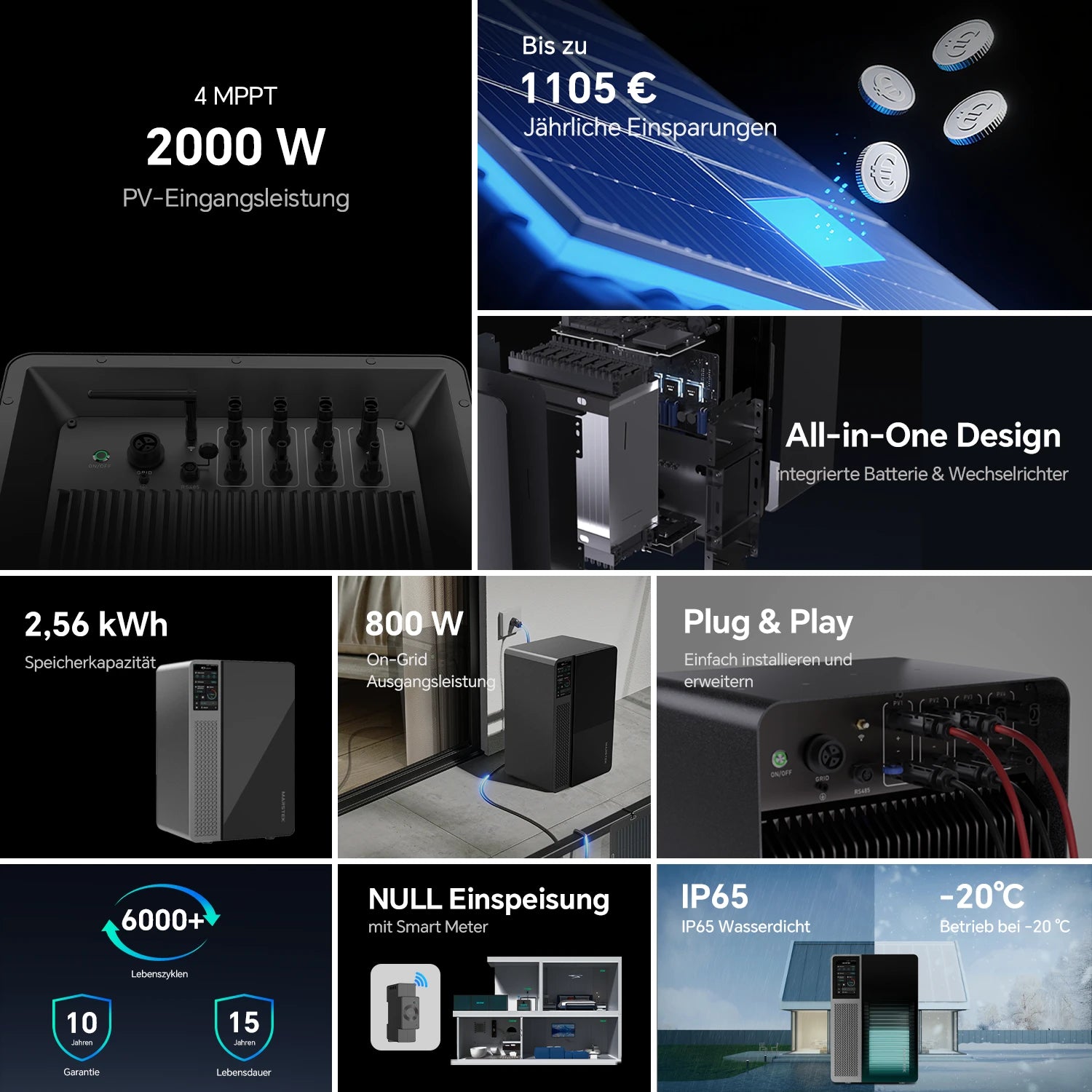
Marstek Jupiter C All-In-One Balcony Power Plant with Storage


 Free shipping
 Free shipping
We deliver directly to your home free of charge.*
Delivery usually takes 7-14 working days*, so just sit back and relax.
*More information can be found in the shipping conditions .
 14-day money-back guarantee
 14-day money-back guarantee
Regardless of the reason, we guarantee a full refund provided the product is returned within 14 days in its undamaged original packaging. The refund process begins automatically once the item has been returned and received for inspection at the Marstek warehouse.
*For more information on the conditions for a successful refund process, please see our refund policy . Inform your customers about your products.
 10-year warranty
 10-year warranty
Marstek.de offers a 10-year warranty. Should the product fail within this period due to material or manufacturing defects, we will provide a replacement. The replacement product will be covered for the remaining warranty period of the original item.
To make a warranty claim, please contact our customer service at: support@marstekenergy.com .
*Further details can be found in our warranty conditions.
 Online customer service
 Online customer service
We're happy to help! If you have any questions or suggestions, please write to us at support@marstek.de – our team will take care of your request immediately.
 Pay conveniently
 Pay conveniently
 Reliable delivery
 Reliable delivery

Superior performance
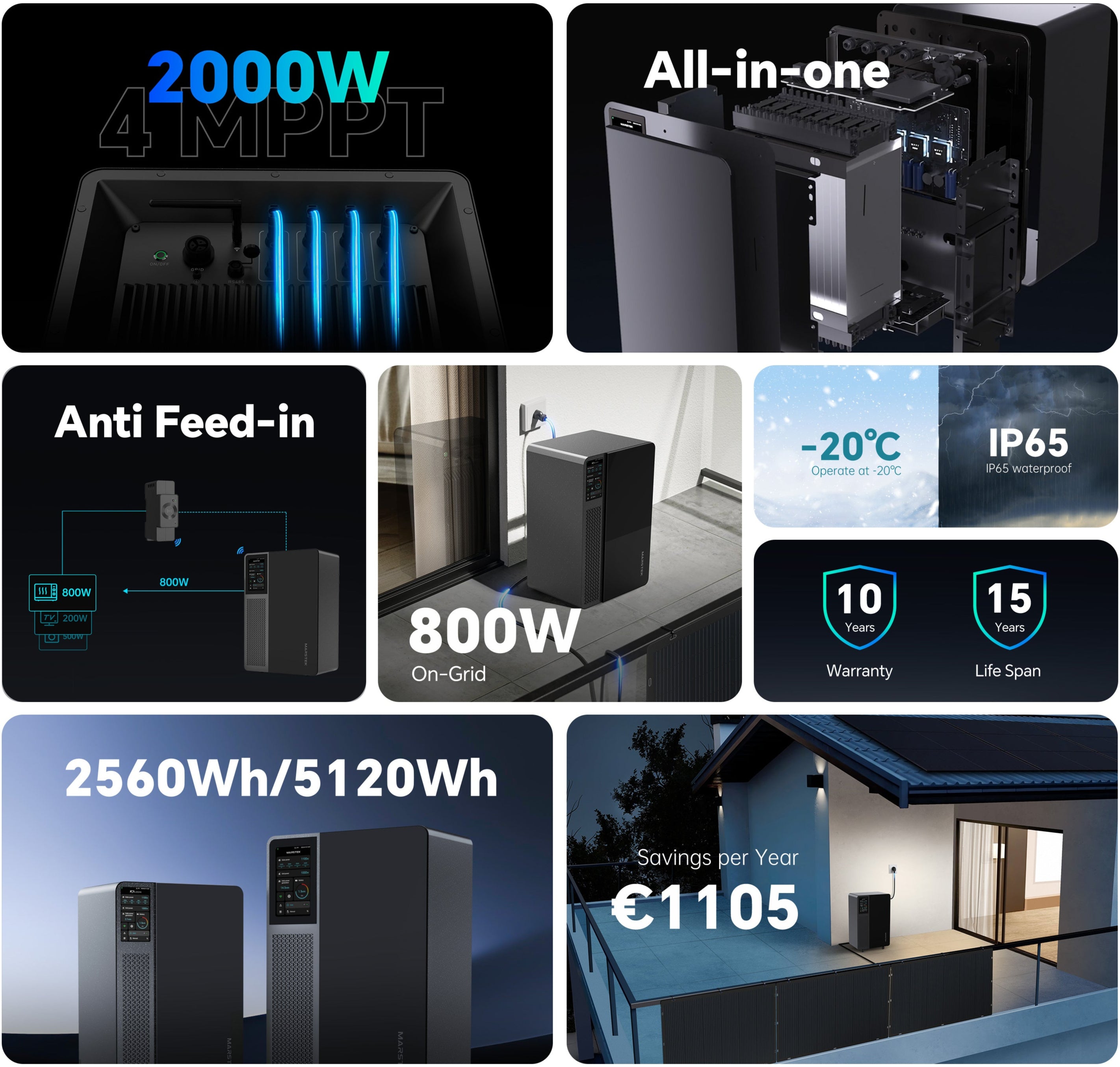
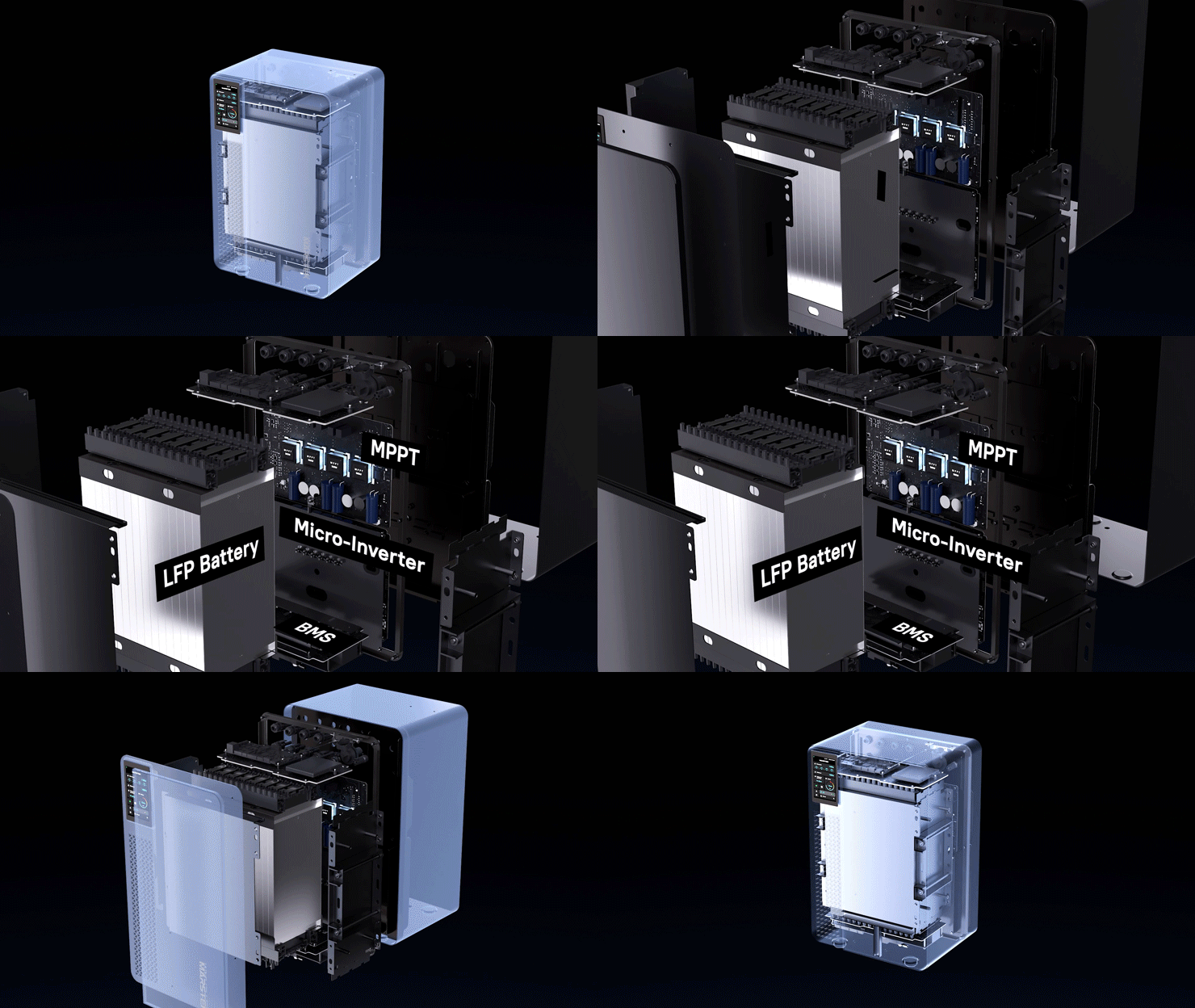
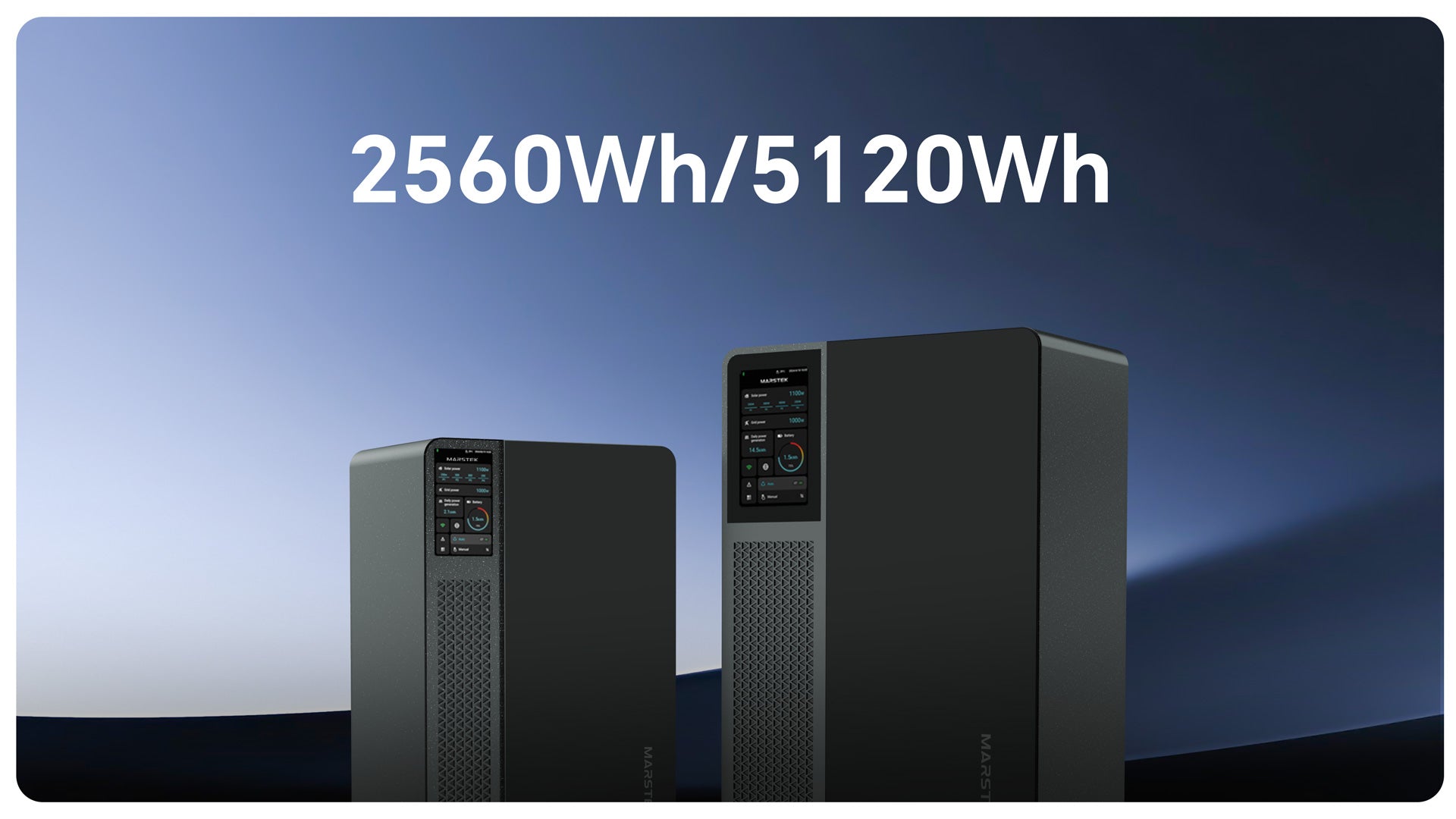
Equipped with 4 MPPT, the Jupiter supports a PV feed-in of up to 2000 W and is available in the variants of 2560 Wh and 5210 Wh.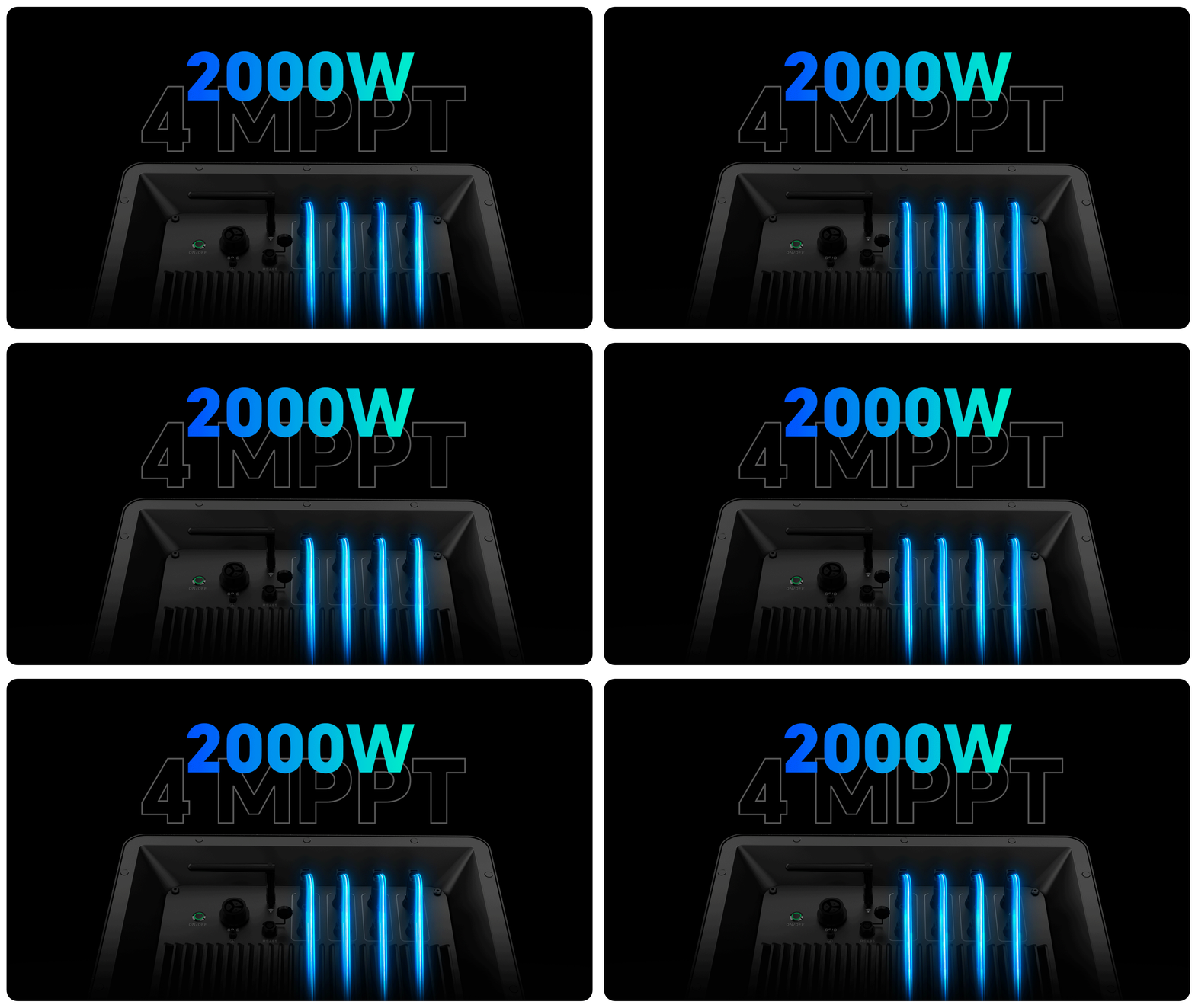
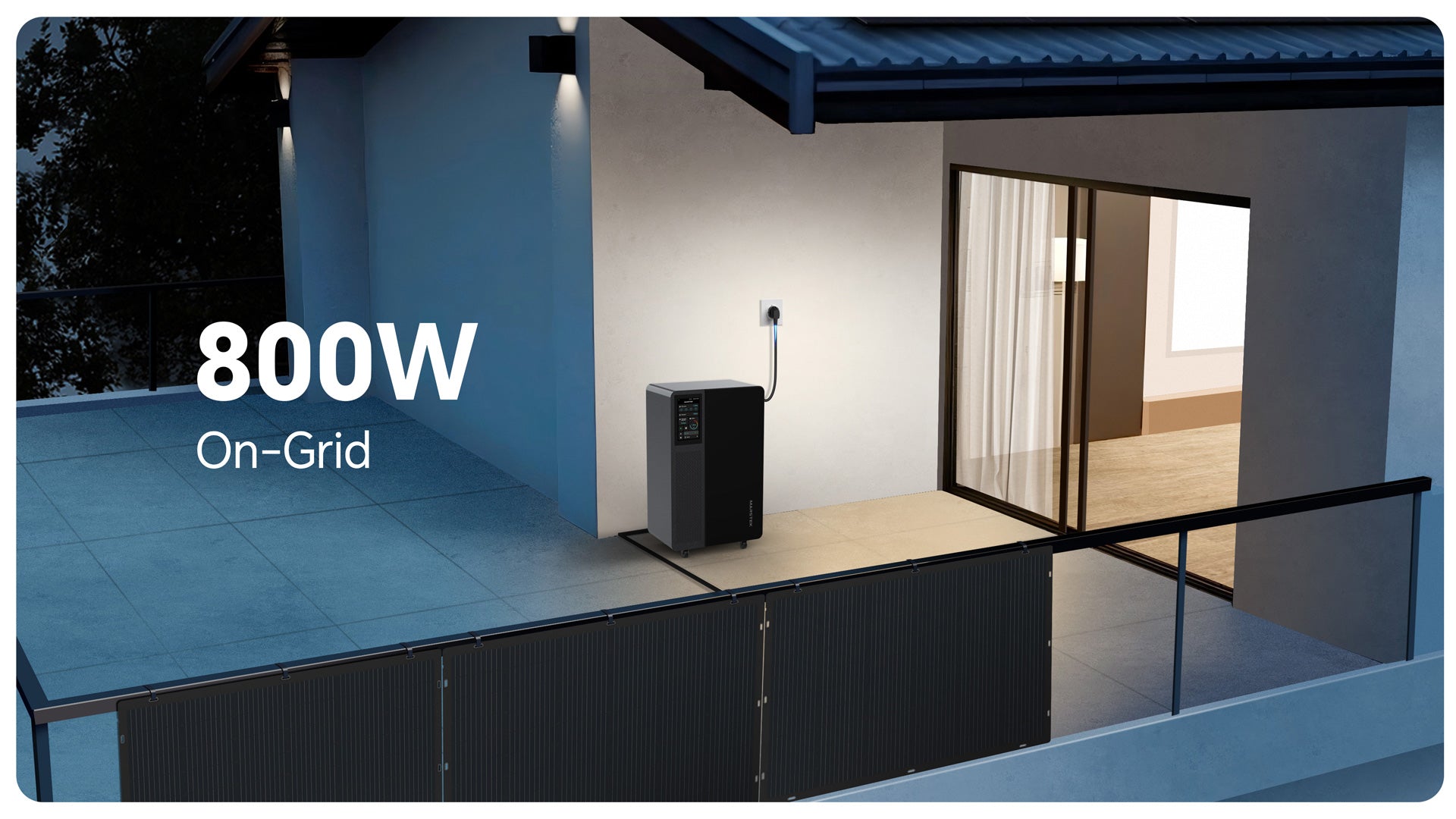
Plug & Play installation in 5 minutes
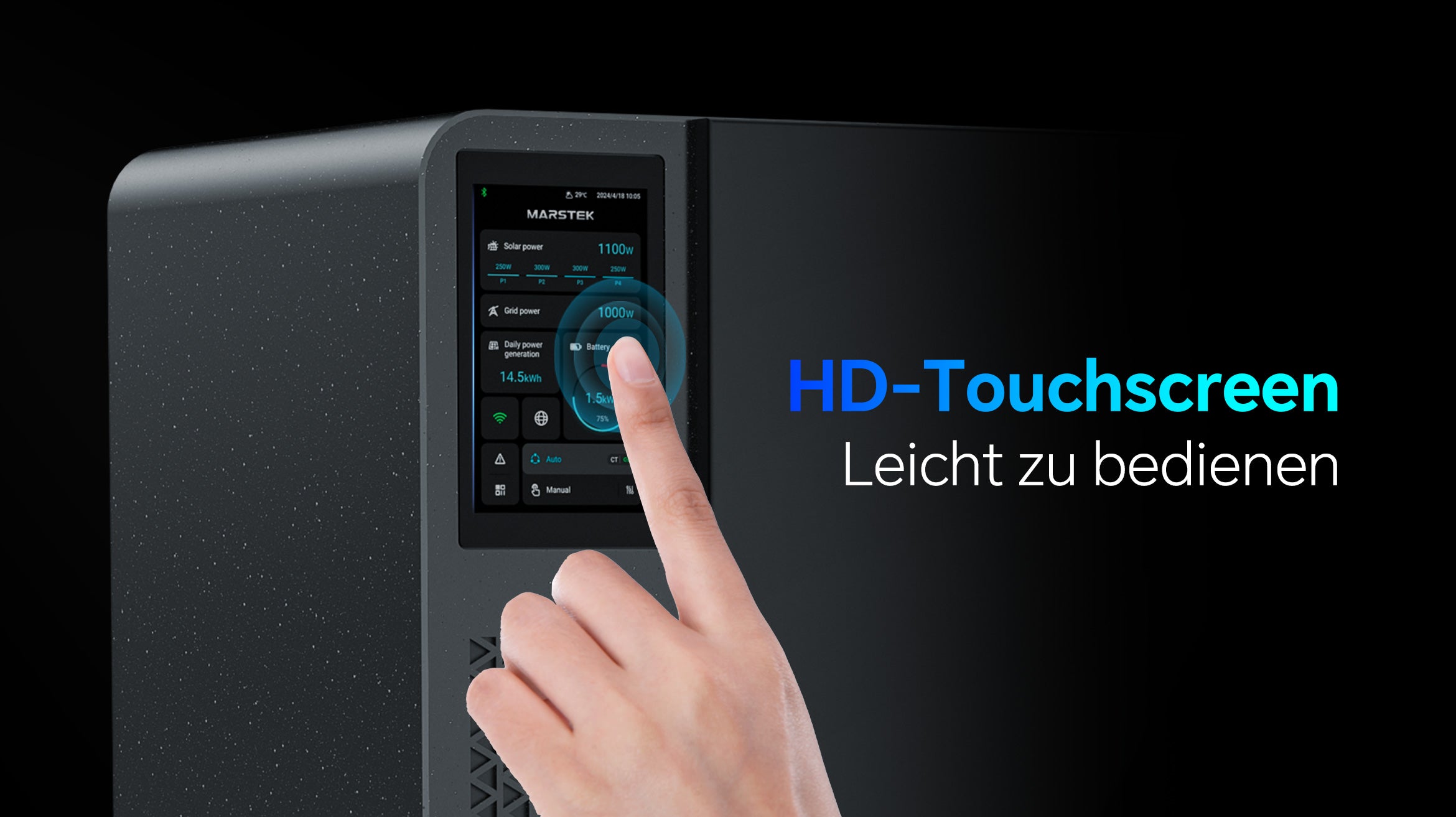
Intelligent energy management
Monitor and control your battery and power supply anytime, anywhere with the Marstek app.
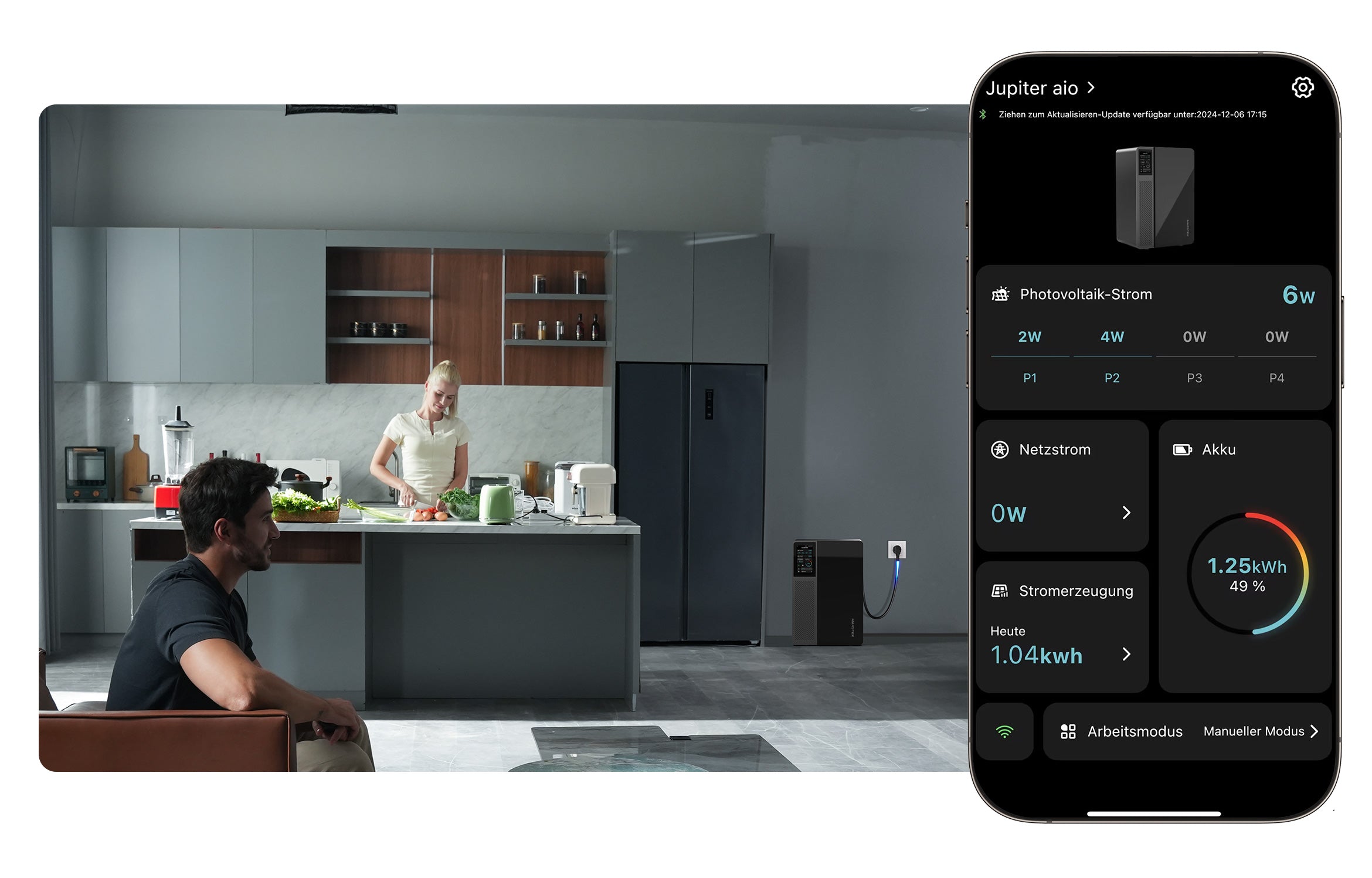
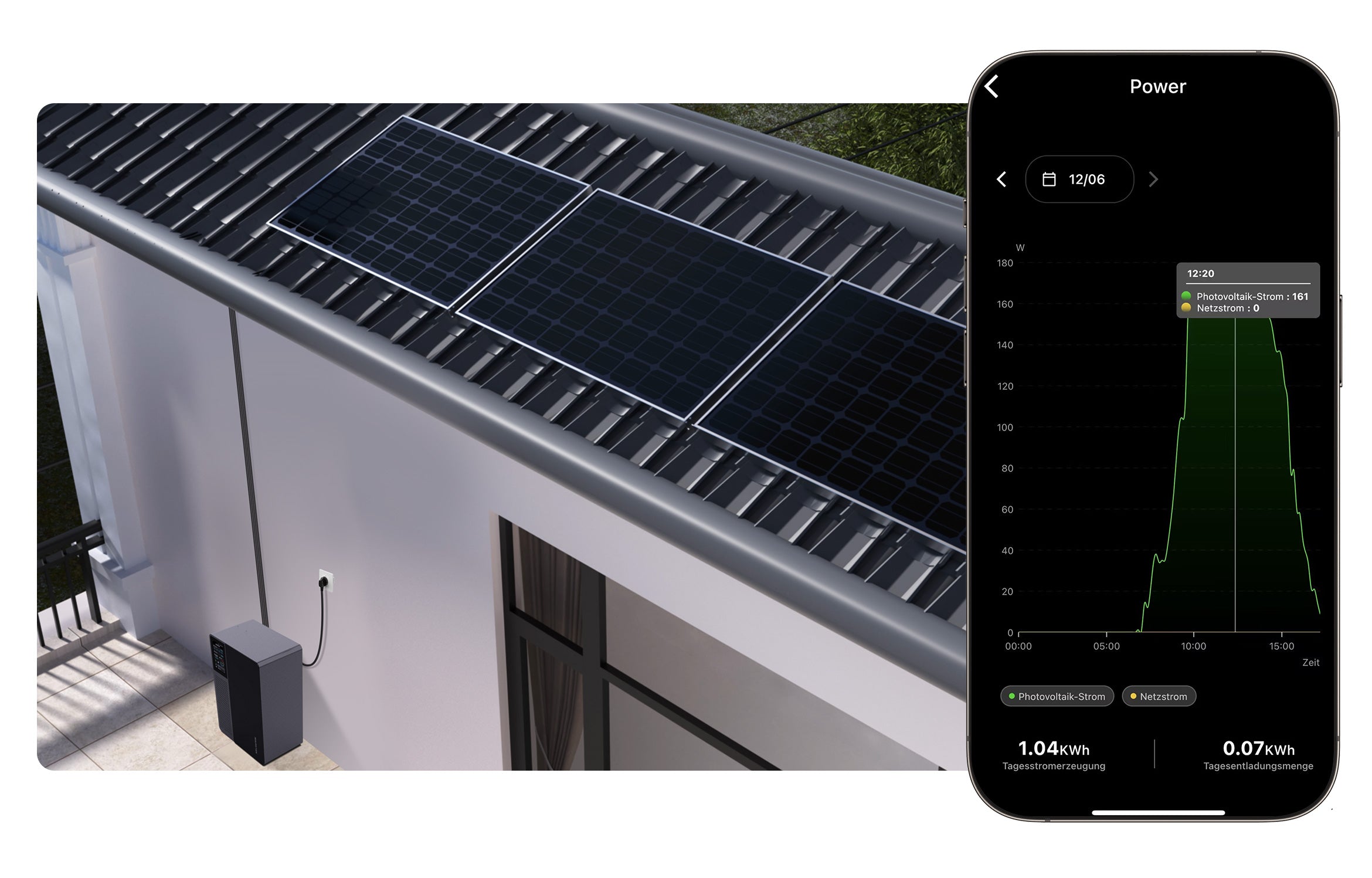
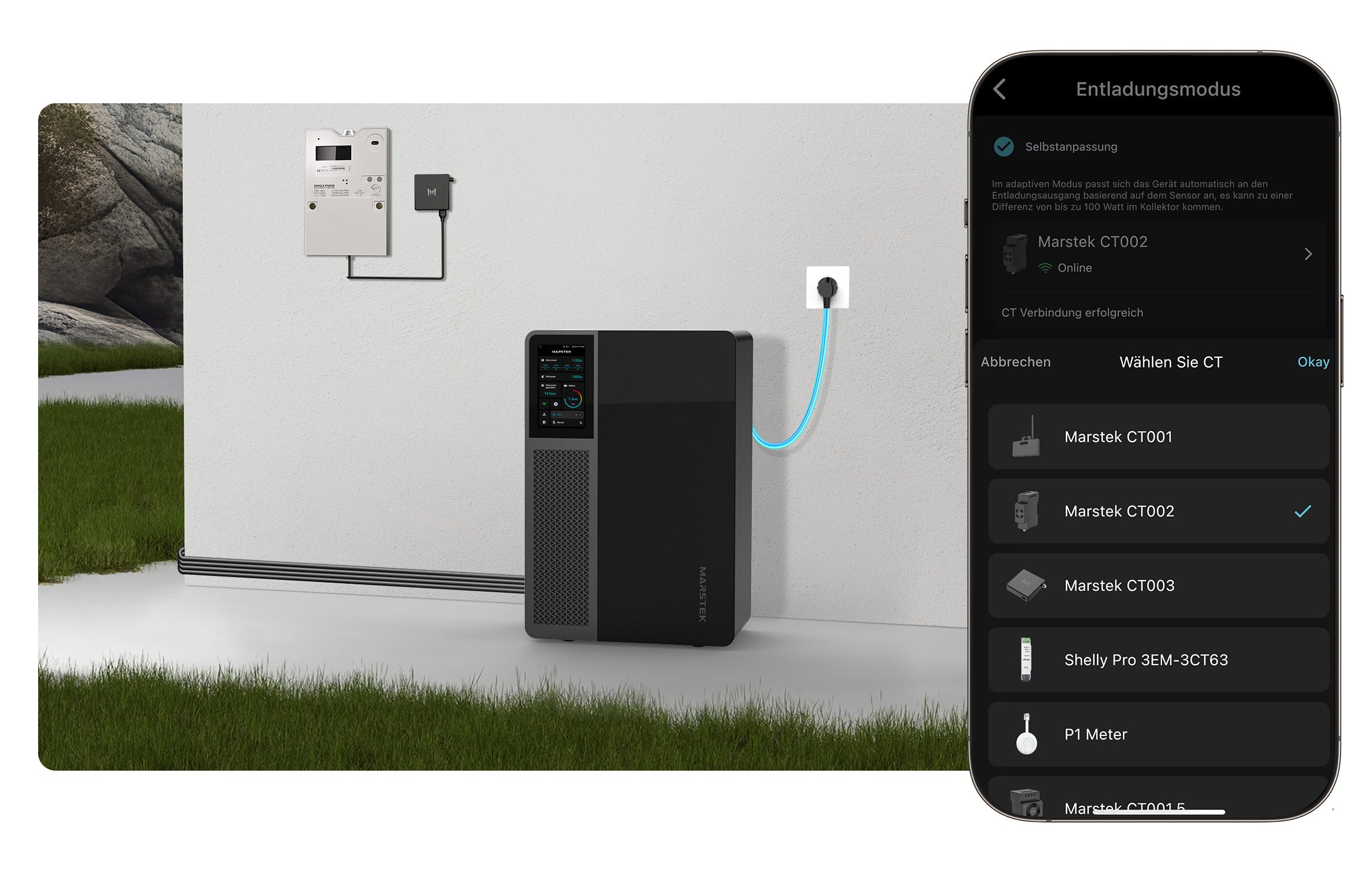
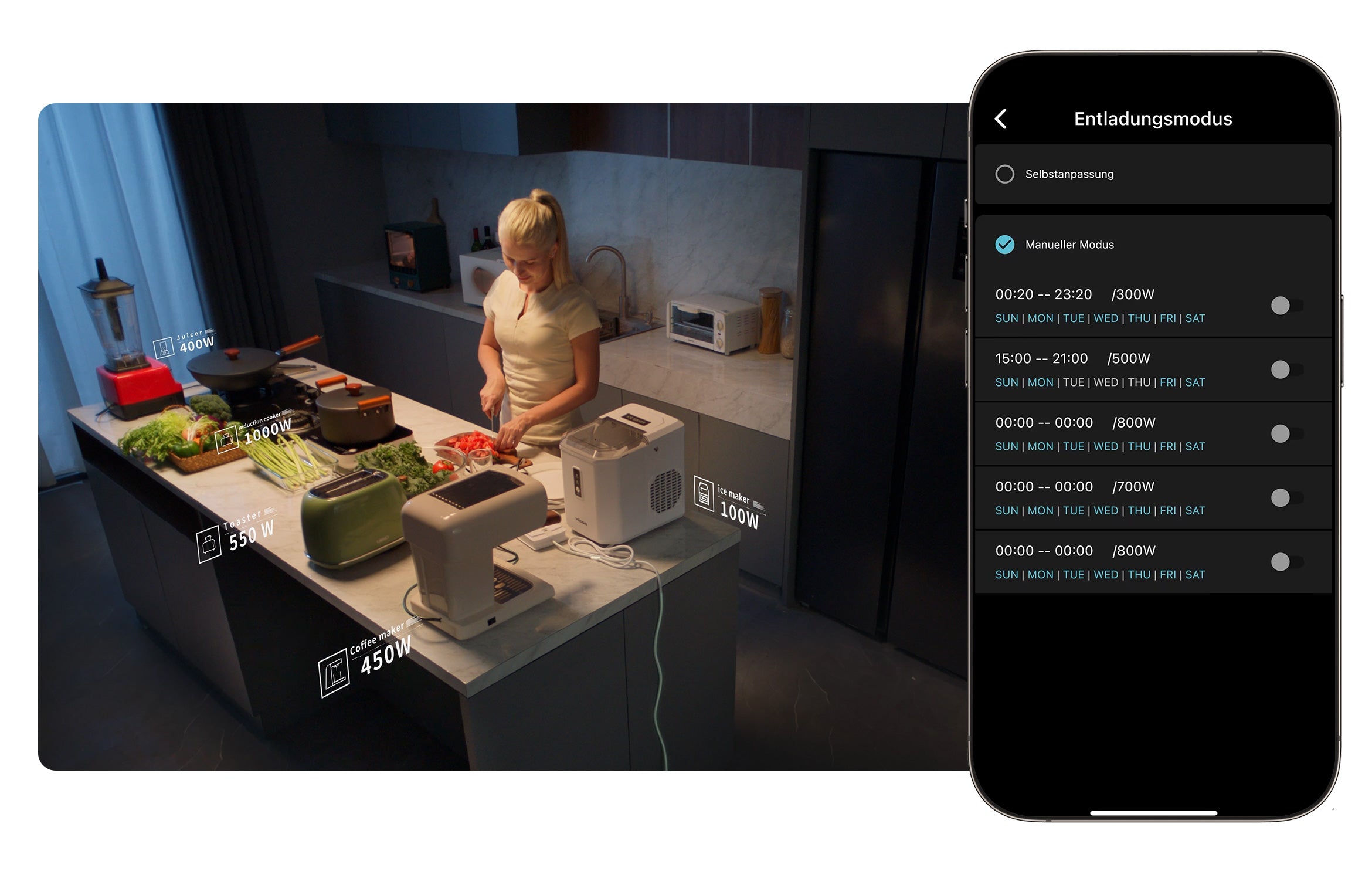
Feed-in prevention by smart meters
| Parameters | JUPITER-C | JUPITER-E |
|---|---|---|
| Capacity | 2560Wh | 5120Wh |
| Cell chemistry | LiFePO₄ | |
| Lifespan | 6000+ cycles | – |
| Depth of discharge (DoD) | 90% | |
| Current | 50A | |
| Battery management system | OVP, UVP, OCP, SCP, OTP, UTP etc. | |
| Max. PV Input Power | 4 × 500W | – |
| MPPT Tracker | 4 | – |
| PV Voltage Range | 25–55V | – |
| Max. PV Voltage | 60V | – |
| Max. PV Current | 4 × 14.5A | – |
| MPPT Efficiency | 99.80% | |
| Rated Output Power (AC) | 800W | |
| Voltage (AC) | 220V / 230V | |
| Frequency | 50Hz / 60Hz | |
| Rated Current (AC) | 4.54A / 4.34A | |
| Max. Output Current | 5.34A | |
| Power Factor | > 0.99 | |
| THDi | < 3% | |
| Efficiency (Battery → Load) | > 96.5% | |
| Dimensions | 265×417×228mm | 365×538×268mm |
| Weight | 34 ± 0.5kg | 52 ± 0.5kg |
| Material | SPCC | |
| Operating temperature | -20°C ~ +60°C | |
| Protection class | IP65 | |
| Cooling strategy | Natural convection | |
| Max. height | ≤ 2000m | |
| Humidity | 0–95% | |
| Grid connection standard | VDE 4105, TOR R25, etc. | |
| EMC / Standards | IEC/EN 62109, IEC 61000 etc. | |
| AC connection | Three-wire household plug | |
| Display | 4.3" LCD | |
| Communication | WiFi, Bluetooth, USB-A, RS485 | |
Scope of delivery
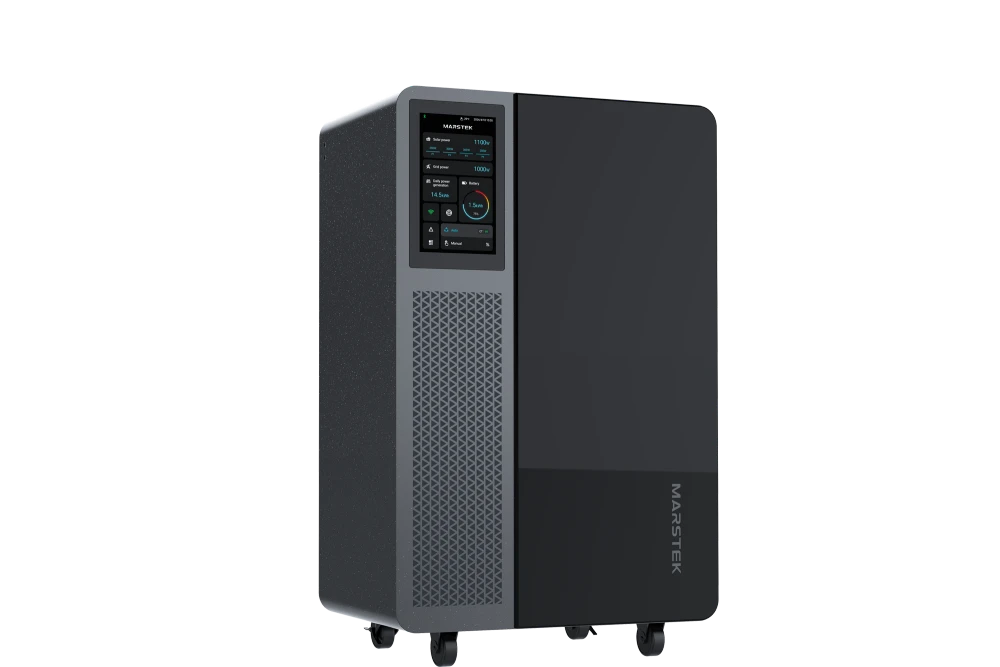
Marstek Jupiter C
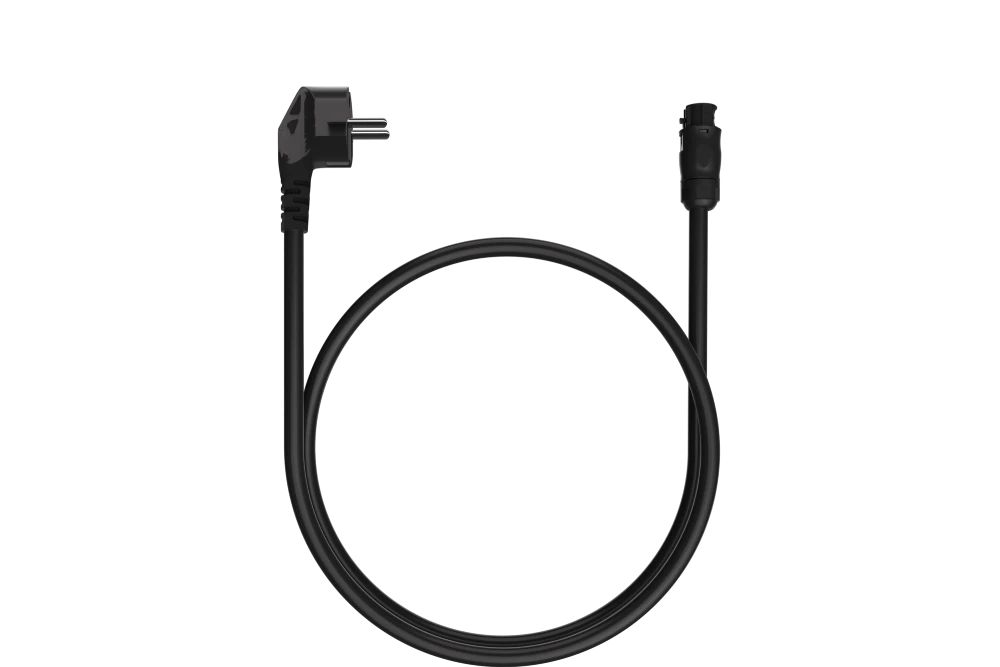
AC cable

Warranty card
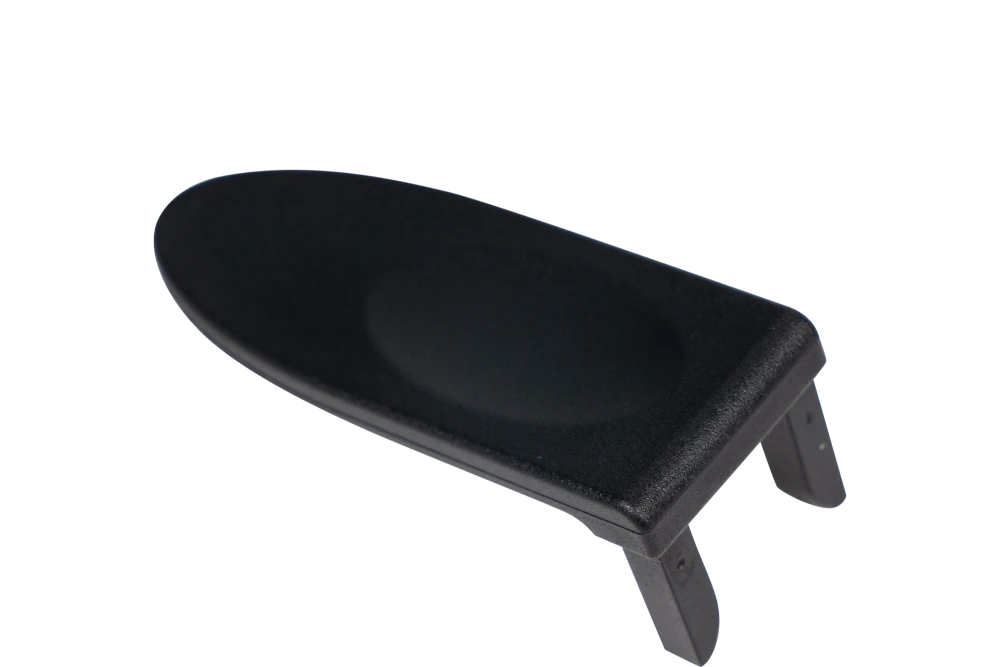
Tool
FAQ
How does the Jupiter all-in-one balcony power plant with storage work?
How can you control the output from the Jupiter All-in-one?
Which smart meters are compatible with the Jupiter all-in-one?
Can the capacity of the Jupiter All-in-one be expanded?
What do I need to consider when using the Jupiter All-in-one in winter?
At low temperatures, the activity of the lithium battery decreases, which can easily lead to the battery's power consumption being high and rapid. Therefore, care should be taken when using batteries in winter:
(1) In winter, it is recommended to reserve at least 30% or 50% of the battery power to avoid low battery performance. Especially in snowy weather, it is recommended to maintain 70% of the battery capacity to ensure that the battery has enough reserves.
(2) If the battery has not been charged for more than a week, it is recommended to interrupt the discharge until the battery is charged to more than 90% before turning on the discharge.
(3) Avoid high-power discharges. PV is weaker in winter and charging is more difficult. If the device is discharged at high power, this can easily lead to the battery having low performance for an extended period.
(4) Regularly check if the PV panels can deliver power normally. Especially after heavy snowfall, the PV panels can easily be blocked by snow and may not charge the battery for a long time.